

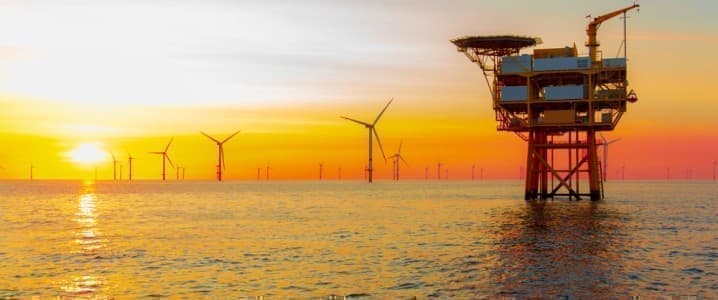
Britain Doubles Down on Wind as Europe Plans a Shared Clean Energy Grid, the government said, after ministers from ten North Sea states agreed to pursue joint offshore projects and an interconnected subsea grid.
The Hamburg Declaration, signed by energy ministers from the UK, Belgium, Denmark, France, Germany, Iceland, Ireland, Luxembourg, the Netherlands and Norway, commits partners to deliver 100 gigawatts of offshore wind through shared projects and interconnectors, the summit statement said.
Under the pact the countries pledged to help deliver about five gigawatts of offshore capacity per year between 2031 and 2040 by supporting private investment, and more than 100 companies signed an industry declaration promising cost reductions and new jobs.
The UK highlighted its recent record offshore auction, which secured 8.4 gigawatts of projects and was described by government sources as the biggest such procurement in Europe, with the auction expected to support 7,000 skilled jobs and attract private investment, the government and industry statements said.
Energy Secretary Ed Miliband told delegates that the UK was "standing up for our national interest" by backing clean power and by working with European allies to make the North Sea a clean energy reservoir, and German chancellor Friedrich Merz said he wants the North Sea to become the largest clean energy reservoir worldwide.
Grid Challenges, Costs and Reactions
Industry and analysts warned grid limits and curtailment present practical challenges, with Octopus Energy reporting that Britain spent about £1.47 billion turning down wind and paying for fossil plants to run, and that total wasted wind costs have exceeded £3 billion, according to the firm's methodology.
Ofgem has allocated substantial funding to networks, with about £17.8 billion for gas networks and £10.3 billion for electricity transmission, part of a wider commitment the regulator says will rise to an estimated £90 billion by 2031 across gas and electricity, the regulator reported.
On the continent, a meta‑analysis cited congestion management costs near €9 billion and around 72 terawatt hours of mainly renewable energy curtailed, and Hitachi Energy chief technology officer Gerhard Salge urged rapid grid expansion to integrate and interconnect growing renewable capacity.
Trade bodies and grid owners said shared offshore "hybrid" assets and coordinated interconnectors could reduce costs and boost efficient use of resources, and industry executives urged sustained planning, standardisation and investment to translate the Hamburg commitments into deliverable projects, their statements said.


