

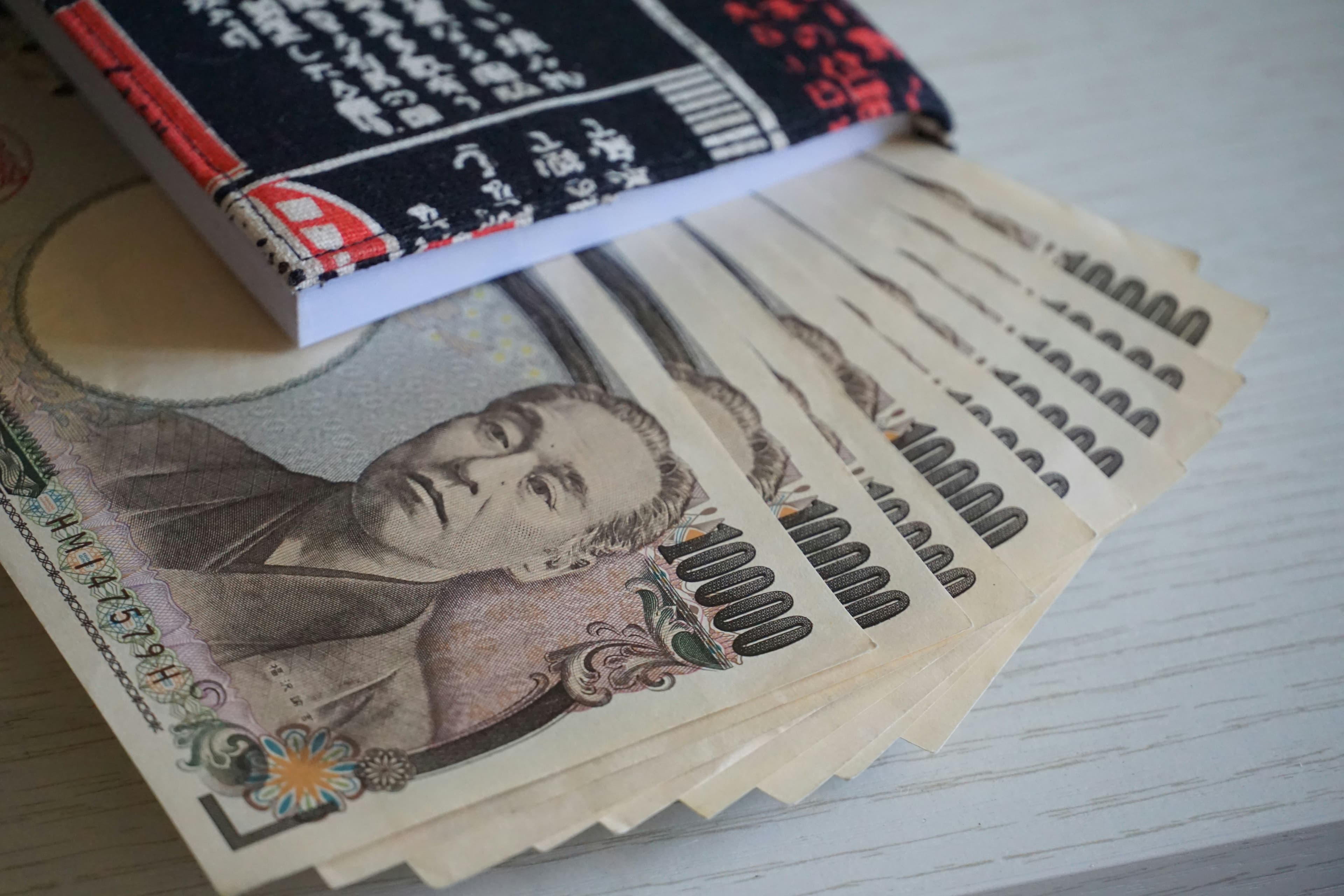
Japan yen weakens past 159 per dollar on Friday before quickly reversing losses, Nikkei staff writers report, after Bank of Japan Governor Kazuo Ueda avoided specifics on when the central bank would raise interest rates again.
Ueda spoke at a news conference following the BOJ decision to keep the policy rate steady, and the currency's turnaround came almost immediately after his remarks, according to Nikkei staff writers.
The swift rebound triggered market talk of bulk yen-buying orders and prompted speculation about a Ministry of Finance or BOJ foreign exchange rate "check," Nikkei staff writers report, as traders weighed whether officials were signalling readiness to step in.
Wider Drivers and Outlook
Analysts from EBC attribute the yen's broader weakness to a persistent interest-rate and bond-yield gap that leaves the yen attractive as a funding currency for carry trades, with Japan's policy rate near 0.75% and a large yield gap still favouring dollar assets.
EBC lists several additional pressures, including higher energy import costs and a heavy import bill that weaken Japan's trade balance, political signals pointing to possible fiscal stimulus, and structural constraints like demographic trends that influence investor confidence.
The report notes that market positioning and algorithmic flows have supported a strong technical uptrend in USD/JPY, while policymakers have alternately signalled possible intervention and cautioned a data-dependent hiking path, leaving traders testing key levels such as 160.
EBC provides recent USD/JPY context, noting the pair traded in the mid-150s in late 2025, with 2025 extremes including about 158.35–158.87 in January and about 139.89–140.72 in April, and a year-end close near 155.87, and it cites MUFG scenarios for potential 2026 trajectories.
The EBC piece recommends watching BOJ decisions and statements, U.S. Treasury yields, Japan inflation and wage data, the trade balance, and any FX intervention signals, and concludes that a sustained yen recovery needs lower U.S. yields, faster BOJ hikes, or an improved external balance.